




Choosing the colour of light according to the room’s needs and your personal preferences
The choice of lighting is one of the most complex aspects of interior design.
It starts with the perfect balance between natural and artificial sources, within a design that influences aesthetics, comfort and even the emotions felt by the people who live in the home.
Industry professionals rightly refer to lighting design, a form of architectural design in which the compositional and structural elements go hand in hand.
Light can give different spaces a distinctive, contemporary vision, enhancing their style and functionality.
How do you choose the colour of light in a way that supports environmental sustainability while reflecting your personal preferences?
There are many elements to consider. The starting point is the distinction between warm, neutral and cool light.
How to create the atmosphere you want with the right lighting
Is warm or cool light better for lighting a home? There is no single answer: it depends on several factors.
Both options are valid and should be assessed in relation to the natural light in the room and a specific characteristic of light bulbs: colour temperature.
This is measured in Kelvin (K) and describes the colour of the light emitted by an individual light source.
It divides light into three categories: natural, warm and cool, with further subcategories within each. Let’s look more closely.
Warm light: ideal for spaces dedicated to rest and relaxation
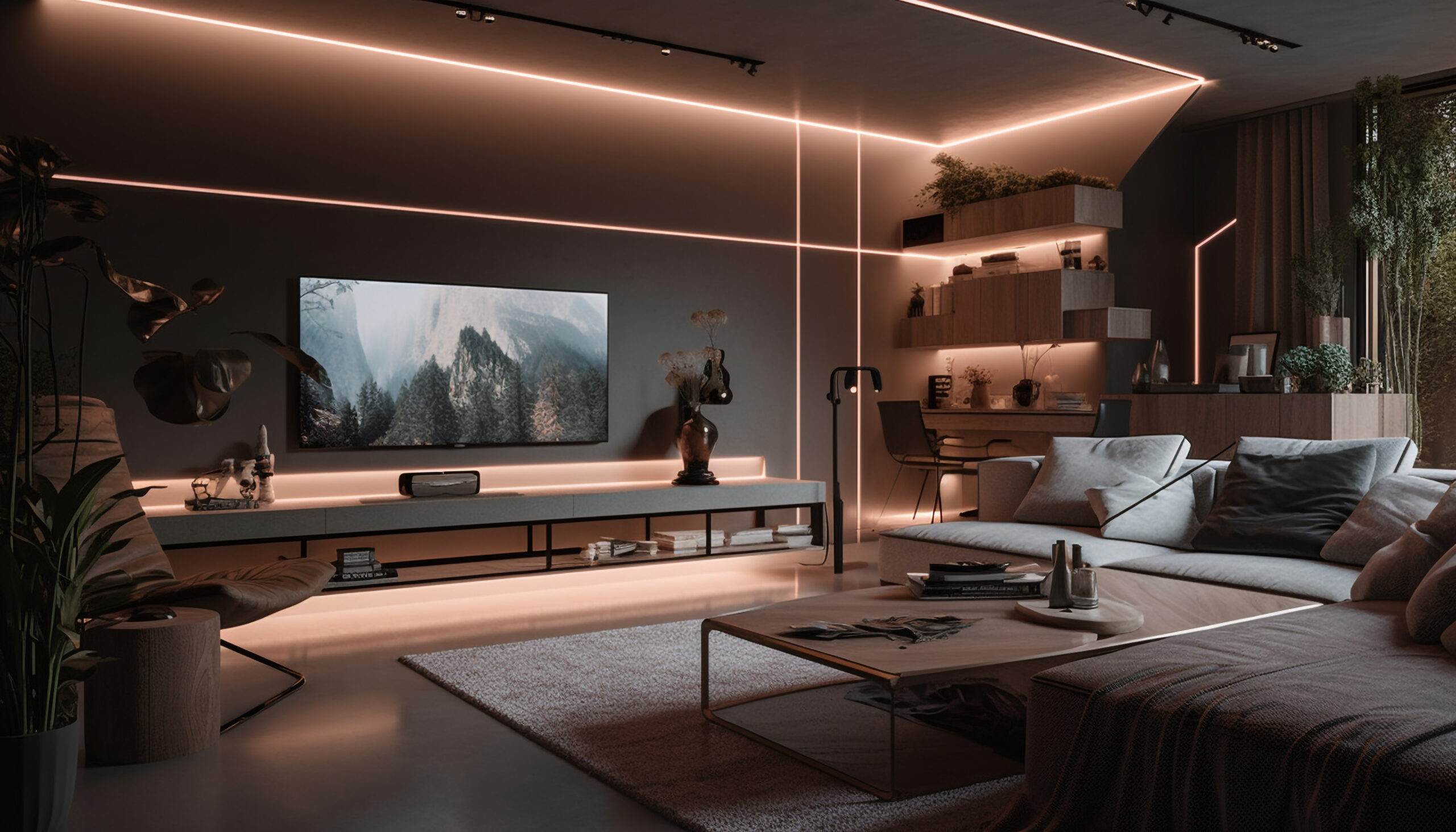
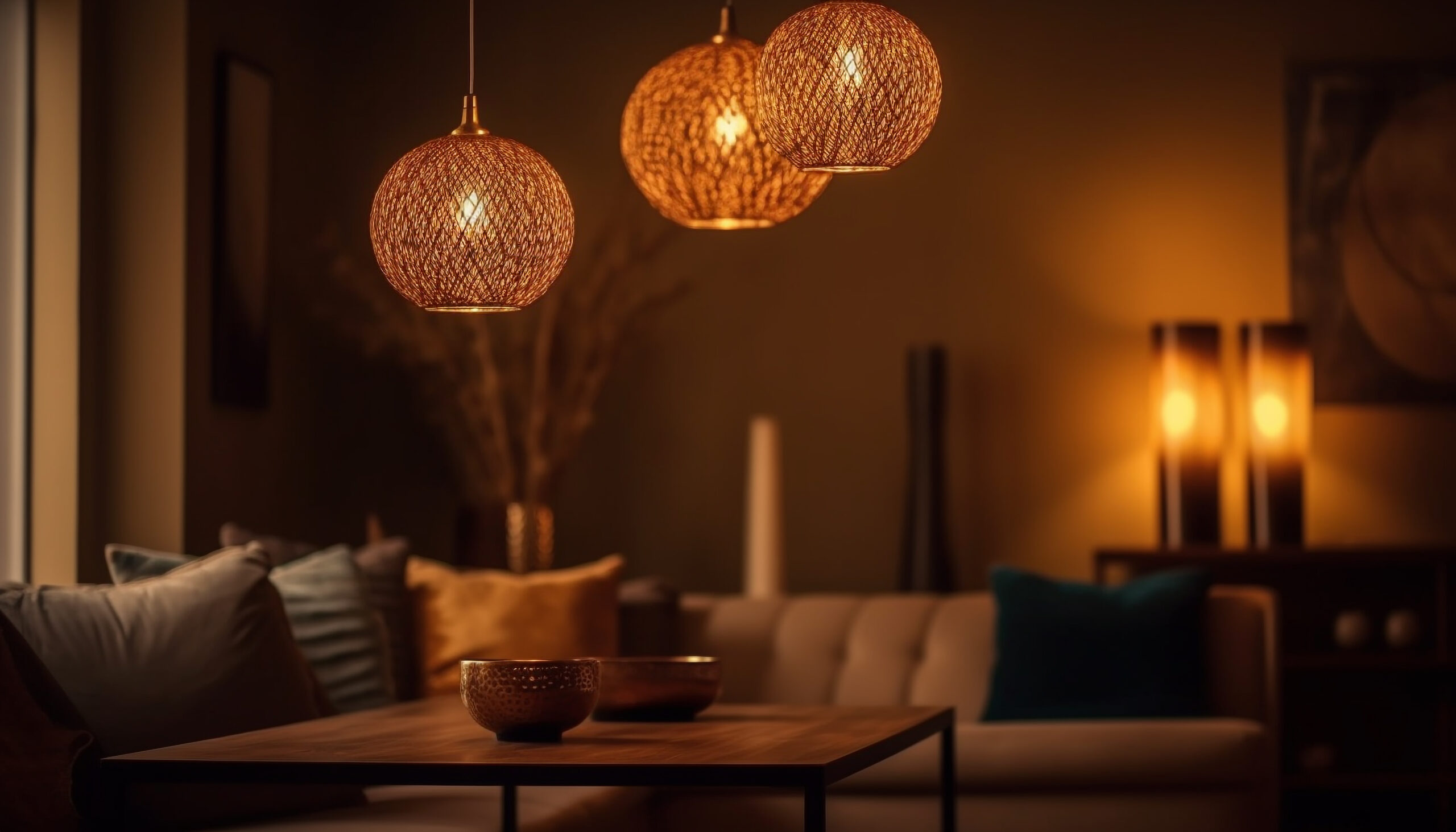
Warm light has a colour temperature between 2700 and 3500 K. Colours closer to 2700 K are characterised by the so-called warm white, a shade between red and orange found in most light bulbs.
As the temperature approaches 3500 K, the colour becomes more yellow and clearer.
The human eye associates warm light with a strong sense of wellbeing. This type of lighting is therefore preferable in spaces dedicated to relaxation and rest, such as the living room and bedroom.
Warm light is less suitable for areas of the home used for work and activities requiring greater concentration.
Natural light: perfect for places requiring greater concentration
The colour temperature of natural or neutral light falls within a range between 3500 and 6500 K. Its tone varies from white to slightly bluish.
This shade is similar to that of naturally lit spaces: for example, the light on a cloudy day has a Kelvin value of around 7000.
Neutral light is suitable for offices, study rooms and, more generally, spaces requiring good visibility. It already leans towards cool light and is less tiring for the eyes.
It also works well in bathrooms and kitchens, especially near food preparation surfaces, and in spaces that are naturally rather dark, such as a cellar, entrance hall or storeroom.
Cool light: preferable for display spaces
The colour temperature of cool light is between 6500 and 9000 K. Unlike the previous category, it can be more tiring and even uncomfortable, placing greater strain on the eyes.
Its colour is a “cold white” with a strong blue component, similar to the coolness of snow, ice and frost. In homes, it is used to create specific visual effects, for example to highlight the inside of an aquarium or plants.
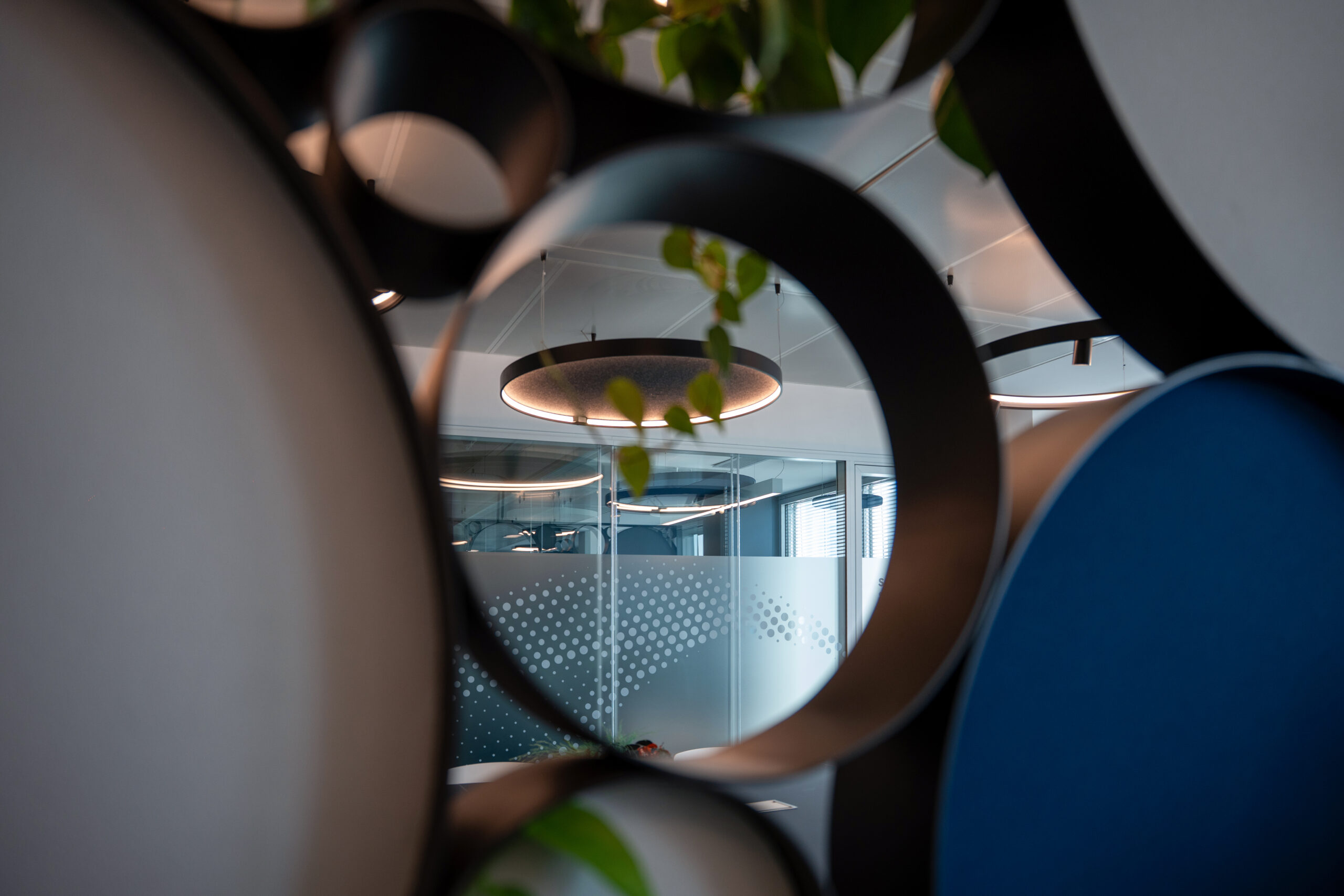
In work environments, it is mainly installed in places such as delicatessens, fruit and flower shops, laboratories, museums, hospitals and pharmaceutical facilities, among others.
LED lighting: sustainability and aesthetics at their best
The different types of light described above are available in a wide range of lighting solutions.
Among the most interesting are LED solutions, which offer lower consumption and a longer lifespan, together with exceptional, user-focused design.
They can be used in warm, neutral and cool shades in every space, adding sustainability, functionality and comfort. This makes them a preferred option.
Are you looking for sustainable lighting solutions to furnish your home with style? To find out more, contact us on 02.97070285 or email info@montenero53.com.