


How to design a professional lighting system: a complete guide to professional lighting design
How to design a professional lighting system, avoid common mistakes and turn light into a strategic element for comfort, functionality and aesthetics
A professional system, on the other hand, tackles the root of the problem: it turns light into a design tool capable of making spaces more liveable, increasing their functionality and enhancing the architecture.
Good lighting design distinguishes an anonymous space from one that is truly effective, welcoming and high-performing.
In this guide, we explore how to design a lighting system professionally, avoiding common mistakes and achieving a high-quality result.
Professional lighting design: where to start when planning an effective lighting system
Understanding the space
The first step is always to understand the space: its dimensions and geometry, heights and volumes, colours and materials, and the presence of natural light.
Every surface affects how light is distributed. Light-coloured walls reflect it; dark surfaces absorb it. This can completely change the final result.
Intended use
There is no universally “right” light: there is the right light for a particular space. An office requires:
- concentration
- uniformity
- neutral light
A home requires:
- comfort
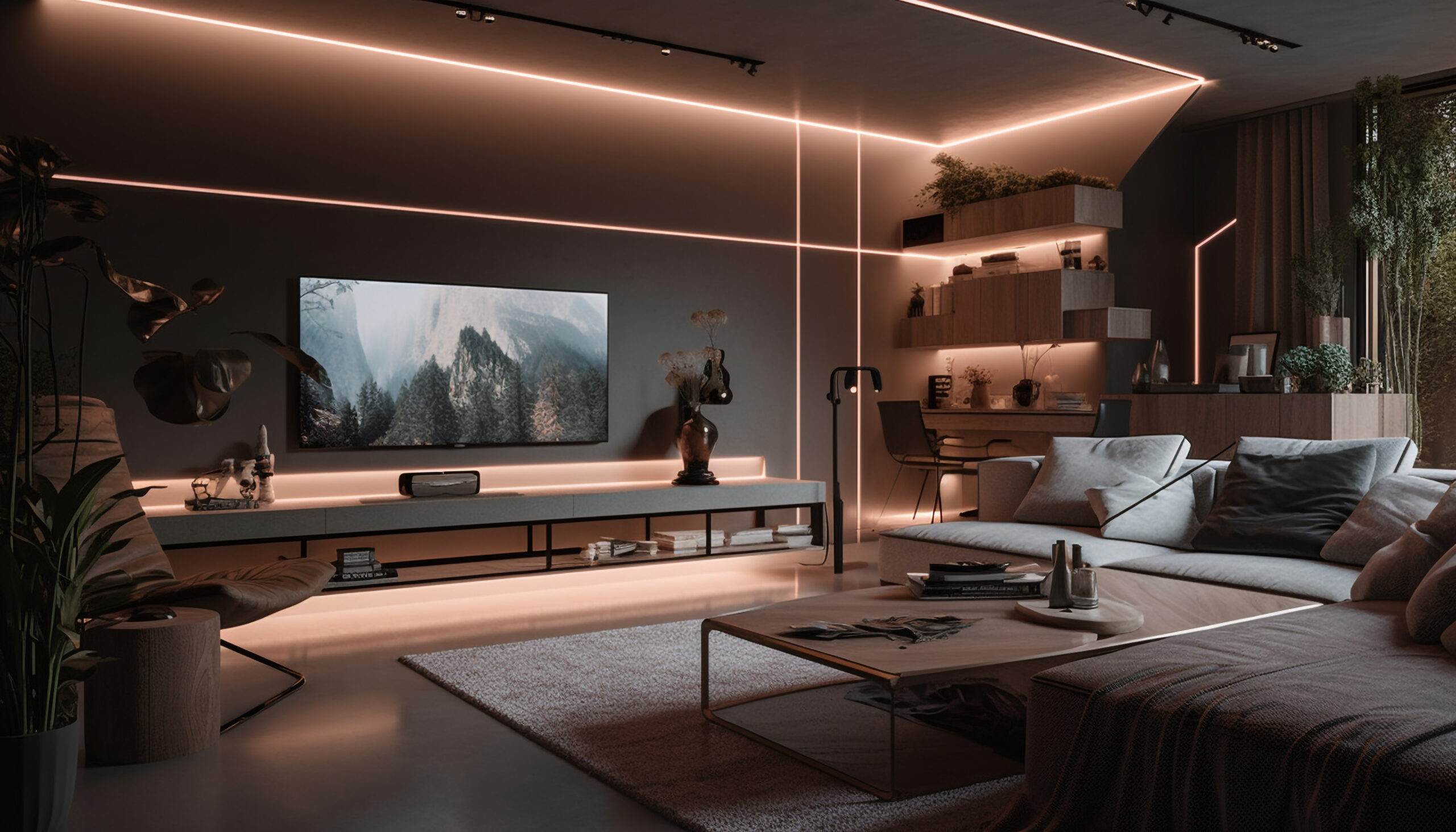
- atmosphere
- variability
A shop requires:
- product presentation
- contrasts
focus
The function of a space guides every design decision.
The most common mistakes
Many lighting systems fail because they start from the wrong approach.
Common mistakes include using a single central light, choosing lamps solely for their appearance, failing to consider shadows and glare, overlooking fundamental parameters such as colour temperature and CRI, and poor planning that leaves spaces overlit or underlit.
The result? Tiring, impractical or visually cluttered interiors.
How to design an interior lighting system
Interior lighting: basic principles
An effective system is based on three layers of light:
- general lighting → diffuse light that makes the space visible
- functional lighting → for specific activities such as working, cooking and reading
- accent lighting → to highlight architectural features or furnishings
Combining these layers creates depth and visual comfort.
Functional and decorative lighting
Light should be both useful and expressive.
- Functional → ensures visibility and safety
- Decorative → creates atmosphere and identity
A common mistake is to separate the two. In a professional design, they work together.
Balancing aesthetics and performance
Good lighting design finds the balance between energy efficiency, light quality and visual impact.
Beautiful but inefficient light is a limitation. Technical but cold light can make a space uncomfortable. The best design is the one you do not notice… but can feel.
Interior lighting design: the technical parameters to understand
The difference between lumens and lux
- Lumen (lm) → the total amount of light emitted by a source
- Lux (lx) → the amount of light reaching a surface
Lumens describe “how much light a lamp produces”; lux describes “how much light you actually receive”.
Luminous flux and illuminance
Luminous flux is the foundation of a lighting design, but what really matters is illuminance. This depends on fundamental factors such as distance, light positioning and surface reflectance, which together directly determine the quality and uniformity of light distribution within a space.
This is why two interiors with the same lamps can produce completely different results.
Colour Rendering Index (CRI)
CRI measures how faithfully a light source renders colours.
- High CRI (≥90) → natural, realistic colours
- Low CRI → altered, less appealing colours
Essential for shops, showrooms and homes.
Colour temperature in Kelvin
This indicates the “tone” of light:
- 2700K–3000K → warm light (welcoming)
- 4000K → neutral light (balanced)
- 5000K+ → cool light (technical)
The wrong choice can make a space cold and impersonal, or too relaxing when concentration is needed.
Working with a lighting design practice in Italy: why choose a professional lighting system
Long-term benefits
A professionally designed system delivers energy savings, longer-lasting light sources, greater visual comfort and enhanced interiors. It is an investment, not a cost.
Professional quality vs DIY
DIY approaches often lead to poor light distribution, the wrong choice of fixtures and inconsistent results. A professional project, by contrast, examines every detail, uses lighting calculations and optimises both aesthetics and performance. The difference can be seen… and felt every day.
If you want to transform your interiors with a bespoke lighting system, working with professionals is the most effective choice. Montenero 53 develops lighting design solutions that combine aesthetics, technology and functionality. Contact us for a consultation: the right light can completely change how you experience a space.