



Warm, cool or natural light: the differences and what to choose, room by room
A practical guide to choosing the right type of light for every room in the home
These elements should be assessed room by room, according to the chosen style and the specific needs of the people living in the home, which tend to differ between living and sleeping areas.
In this feature, we explore the differences between warm, cool and natural light to help you make the best choice for each space.
Colour temperature
Colour temperature determines whether a particular colour appears warm or cool, using different assessment criteria depending on the perspective of the analysis. It is measured and expressed using the Kelvin scale (K).
It is relevant not only to lighting but also to art, particularly painting, where it is especially important in watercolour and tempera techniques.
Colour temperature identifies three types of light. Let’s explore them:
● Warm light. This light has shades tending towards red and yellow. Warm white has a low colour temperature, below 3300 K.
● Cool light. The colour of the light tends towards blue and light blue. Cool white has a colour temperature above 3500 K.
● Natural light. This is the light naturally present in any room. It is measured when the sun is at midday, with a colour temperature ranging from 3300 to 3500 K.
Furnishing with light: solutions for the living area
Bulbs are available with values close to cool, warm and even natural light. There is therefore no solution that works in every situation: every room tells its own story and needs different solutions according to the context, its occupants’ mood and the practical function it serves.
At the same time, some general rules provide guidance. Let’s look at two interesting examples for the living area.
Lighting for the kitchen
The kitchen is a space where light makes a difference on several levels. One valid option is to choose cool-light lamps near the hob and worktops: they make it easier to see each task clearly, improving safety when handling ingredients and preparing meals.
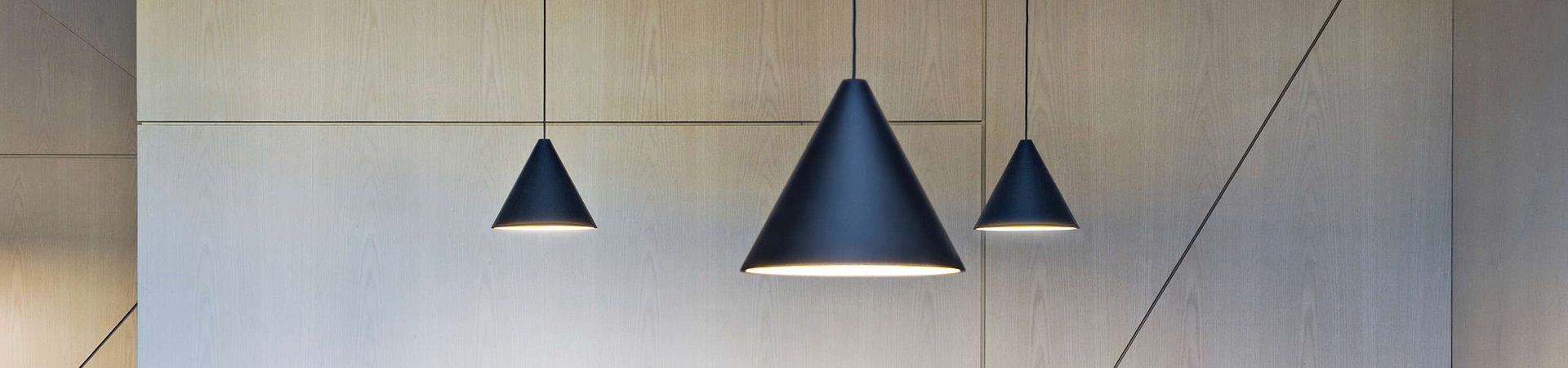
The chandelier above the kitchen dining table, by contrast, can provide warm light that is softer and more relaxing, encouraging a sociable atmosphere.
Lighting for the living room
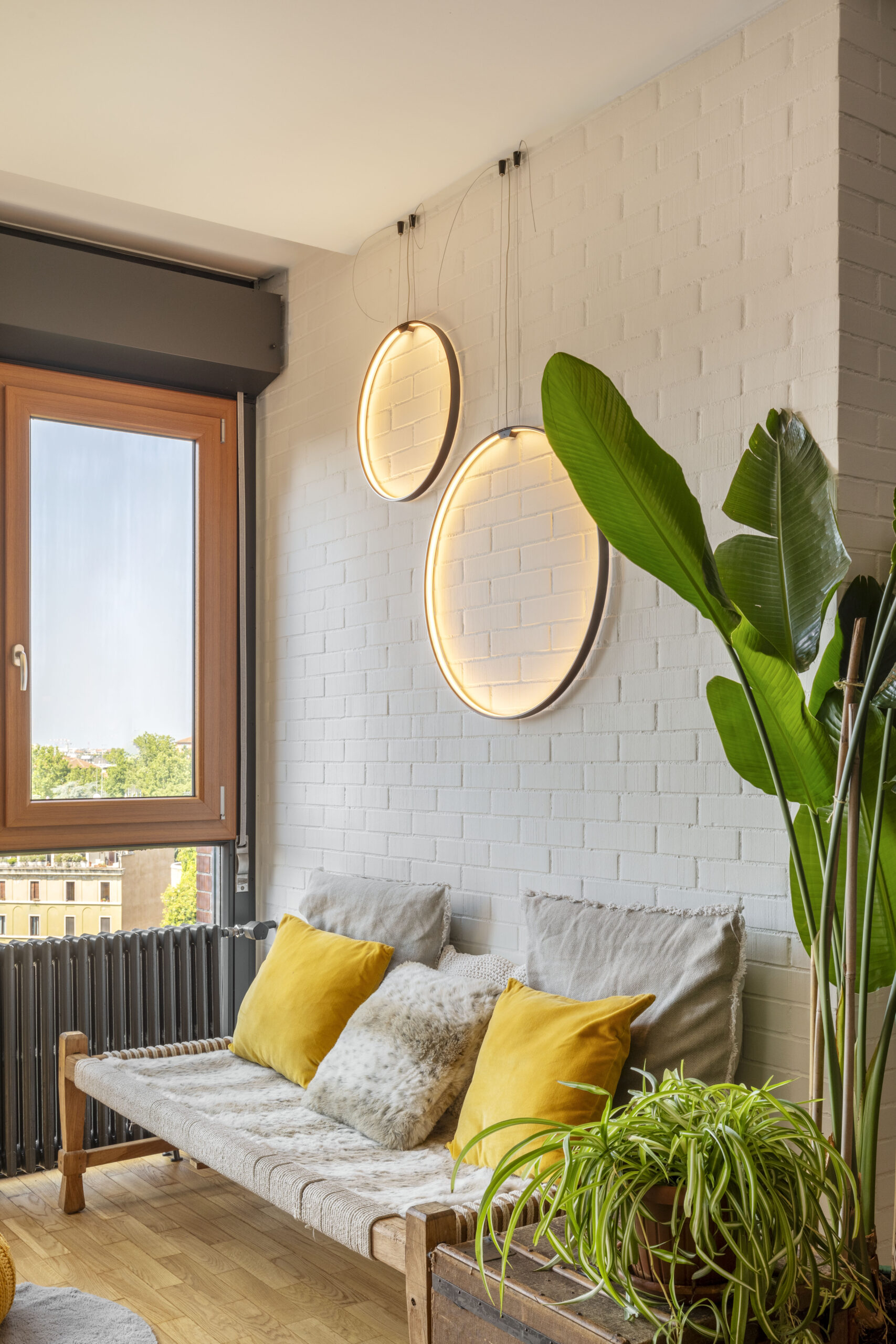
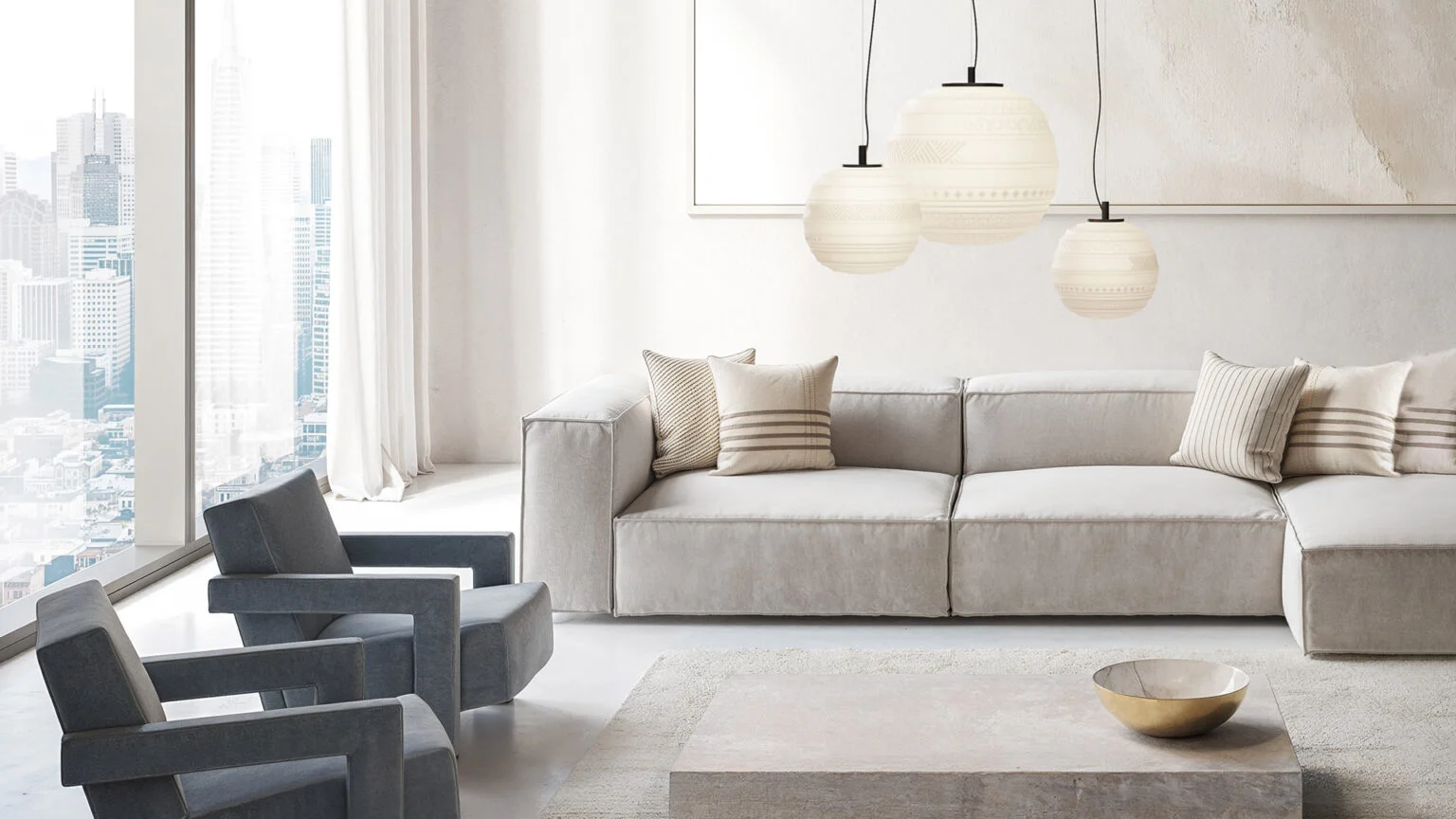
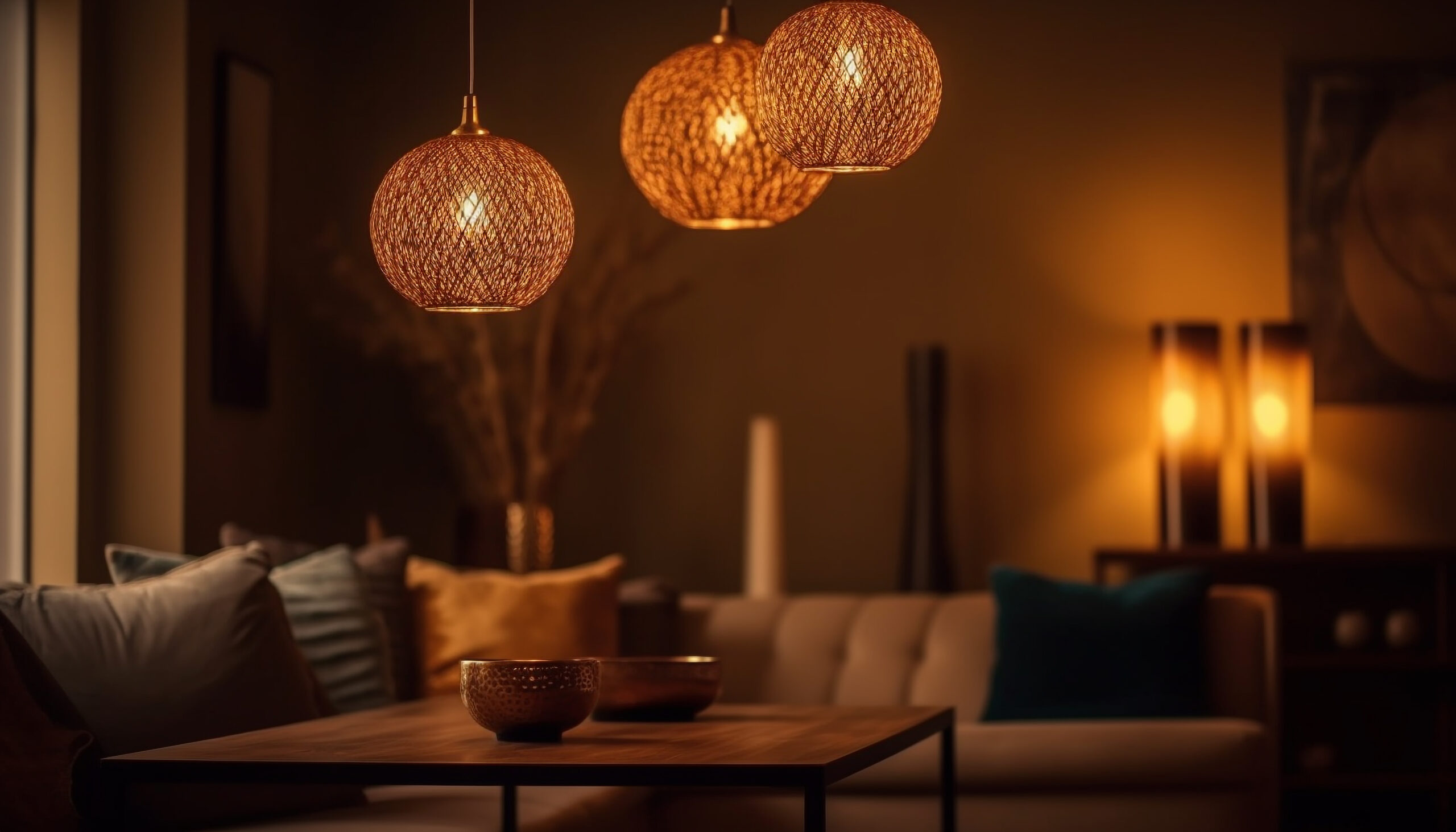
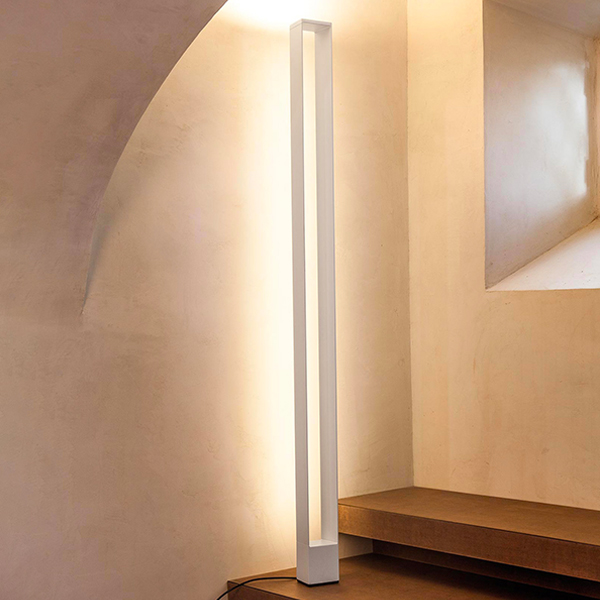
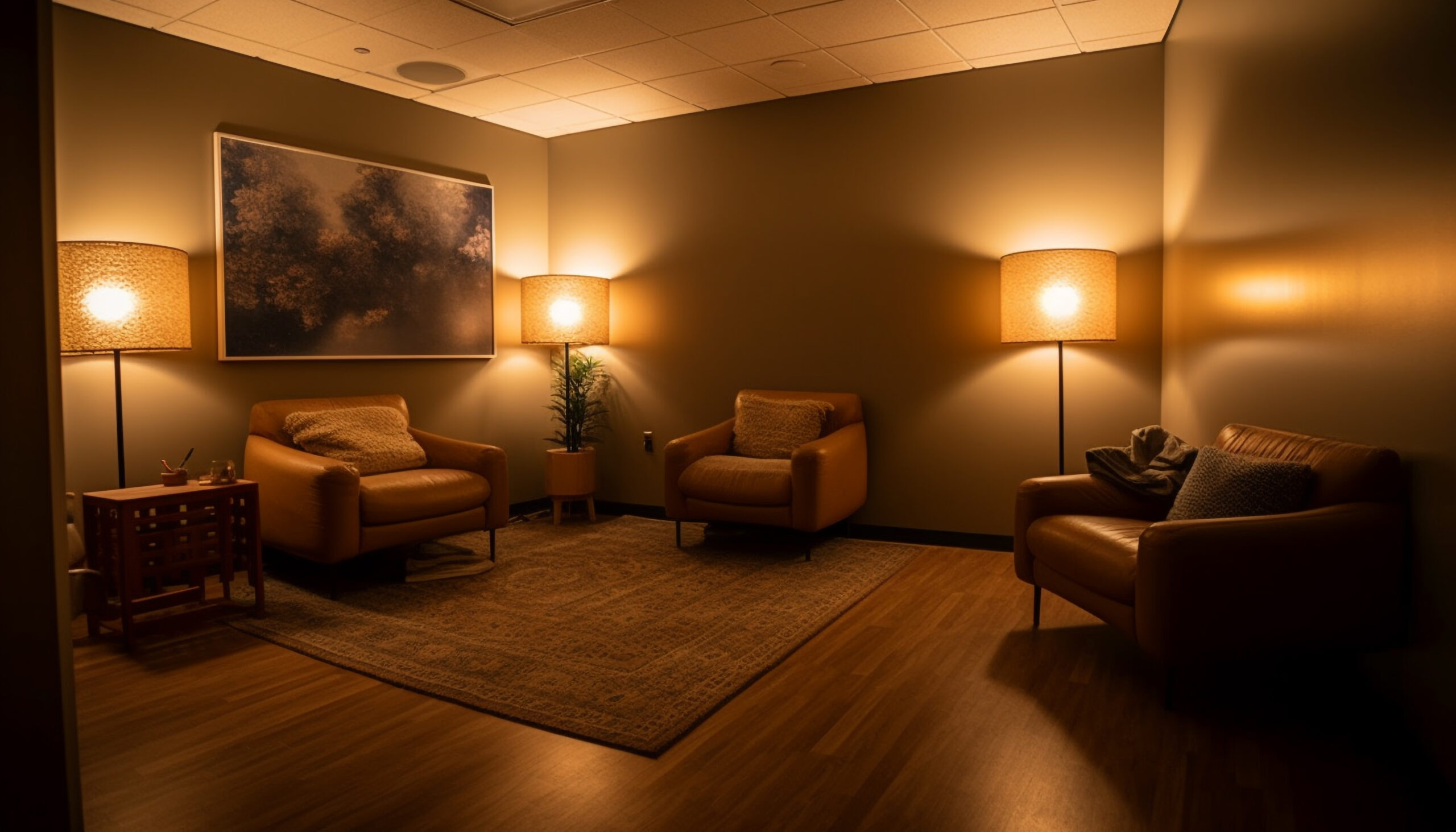
The living room invites relaxation more than any other room. Lighting solutions with cool light, which reveal even seemingly insignificant details, are therefore unnecessary. Lamps with neutral or warm light are a better choice, reflecting the room’s mood. Floor and table lamps are ideal in this respect.
Lighting for the sleeping area
Planning light for the sleeping area always starts from the understanding that cool light makes the overall setting clearer, allowing details and areas of interest to be seen, while warm light creates a more relaxed atmosphere. Let’s explore how to balance colour temperature through two practical examples.
Lighting for the main bedroom
In the main bedroom, warm and cool light should be carefully balanced: the latter is particularly useful for lamps on bedside tables and wardrobe spotlights.
Warm light is better above the headboard and in the ceiling light, helping you relax as you move from wakefulness to sleep.
Lighting for a child’s bedroom
A child’s bedroom similarly uses cool light for bedside lamps or spotlights used for reading, and for desk lights serving a similar purpose.
This room is used not only for rest but also for study and play: for the latter, solutions providing greater visibility are preferable. Warm light, meanwhile, works well near the bed, adding a soft atmosphere for a more relaxed, harmonious setting.
The versatility of dimmable lights
Dimmable lights offer significant added value when defining a room’s lighting. Adjusting the light intensity allows the level to change according to needs and the time of day, creating different atmospheres within the same space. For example, brightness can be increased in the living room for reading or working and lowered in the evening for a more relaxing atmosphere. In the kitchen, stronger light can help with food preparation, while softer illumination encourages sociability during meals.
This functionality is also practical in the sleeping area, where adjustable light can ease the transition from day to night, accompanying rest with a gradual reduction in intensity.
Choosing the right lighting therefore means balancing functionality and aesthetics. Colour temperature, lamp type and lighting versatility all play a crucial role in defining each room’s comfort and identity. By choosing carefully between warm, cool and natural light and integrating dimmable options, you can enhance every room, meet practical needs and create the perfect atmosphere for each moment of the day.
Would you like a personalised consultation to determine the best lights for your home? Contact us for any lighting requirement, including on 02.97070285.