



The role of the Lighting Designer
Discover how a Lighting Designer can enhance your projects, improve the aesthetics and efficiency of spaces, and deliver innovative solutions that comply with regulations.
Lighting plays a fundamental role in the perception and functionality of a space. A lighting designer does more than choose the right light sources: they plan light strategically to enhance the architecture, improve visual comfort and raise the aesthetic and functional quality of spaces. In this article, we will examine the role of the lighting designer and the benefits of collaborating with an architect.
Who is a Lighting Designer and what do they do?
The role of the Lighting Designer
A lighting designer is a professional specialising in lighting design, with expertise ranging from selecting light sources to arranging them strategically for the best aesthetic and functional results. This expert combines technical, artistic and regulatory knowledge to create tailored, sustainable solutions.
Differences between a Lighting Designer and an Architect
While the architect is responsible for the overall design of spaces, the lighting designer works specifically on lighting, focusing on:
- Light distribution and the optimisation of visual comfort.
- The choice of efficient, sustainable technologies.
- Creating atmospheres suited to functional and aesthetic needs.
- Compliance with lighting regulations.
The benefits of working with a Lighting Designer
Technical solutions and regulatory compliance
A lighting designer ensures compliance with current regulations and the adoption of solutions that improve energy efficiency, reducing consumption and running costs. Their experience helps avoid common mistakes such as excessive or insufficient lighting, unwanted shadows and disturbing reflections.
Enhancing the aesthetics and functionality of spaces
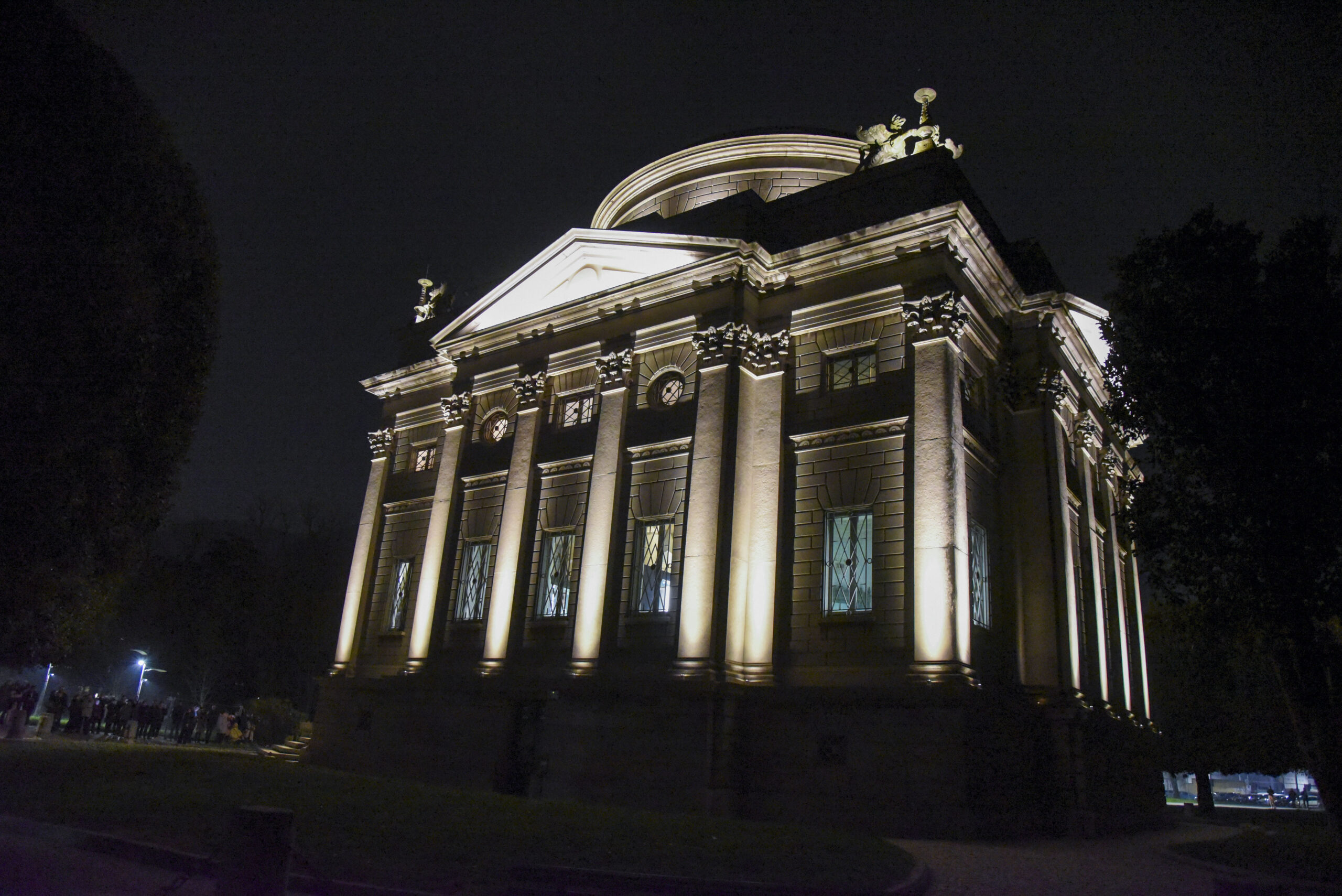
Well-planned lighting can completely transform a setting, emphasising materials, shapes and architectural details. Through skilful use of direct and indirect light, colour temperatures and dramatic effects, the lighting designer creates welcoming, evocative atmospheres.
Advanced technologies and innovation
From home automation to smart lighting systems, a lighting designer uses the most advanced technologies to ensure comfort and versatility. Remote control systems, presence sensors and dynamic lighting allow brightness to be adapted to specific needs, improving energy efficiency and quality of life.
Economic and market benefits
A well-executed lighting project not only improves users’ wellbeing but also increases property value. Light can influence the perception of a setting, making it more welcoming and attractive to prospective buyers or customers.
Lighting Design for Commercial and Residential Spaces: What are the differences?
Lighting Design for Commercial Spaces
Main aims:
- Attract customers and enhance products.
- Optimise running costs through efficient solutions.
Technical characteristics:
- Bright, even lighting.
- Focus on energy efficiency and the lifespan of lighting systems.
- Use of dynamic technologies, such as colour effects and dramatic lighting.
Lighting design solutions for shops, shopping centres and restaurants are designed to attract customers and enhance spaces. Find out more about our lighting services for businesses.
Lighting Design for Residential Spaces
Main aims:
- Ensure visual comfort and wellbeing.
- Personalise lighting to meet users’ aesthetic and functional needs.
Technical characteristics:
- Preference for warm, adjustable light (dimmers, smart home).
- Layering: general, accent and task lighting.
- Attention to decorative details.
Bespoke lighting for private homes, terraces and home offices improves the comfort and design of spaces. Explore our lighting services for individuals.
Summary of the differences
| Aspect | Commercial | Residential |
| Aim | Attract customers, enhance products. | Comfort, aesthetics and customisation. |
| Light intensity | Bright and even. | Adjustable and warm. |
| Lifespan and maintenance | High, with intensive systems. | Moderate, less intensive. |
| Technology | Dynamic, effects, automation. | Smart home, dimmers, efficiency. |
How to choose a Lighting Designer for your project
Selection criteria
When choosing a lighting designer, it is important to consider:
- Experience and specialisation, by reviewing previous projects.
- Portfolio, to understand their style and design approach.
- Technical and creative expertise, essential for achieving innovative, effective solutions.
Collaboration between Architect and Lighting Designer
Clear communication and synergy between architect and lighting designer are essential to achieving the best result. The lighting designer should be involved from the earliest stages of the project to ensure harmonious integration between light and architecture.
Illuminating the Future of Design
Working with a lighting designer means adding value to architectural projects by optimising aesthetics, functionality and energy efficiency. Light is a key element in how spaces are perceived: relying on a professional can make the difference between an ordinary setting and an extraordinary one.
Would you like to learn more about how a lighting designer can improve your project? Contact us for a consultation!