


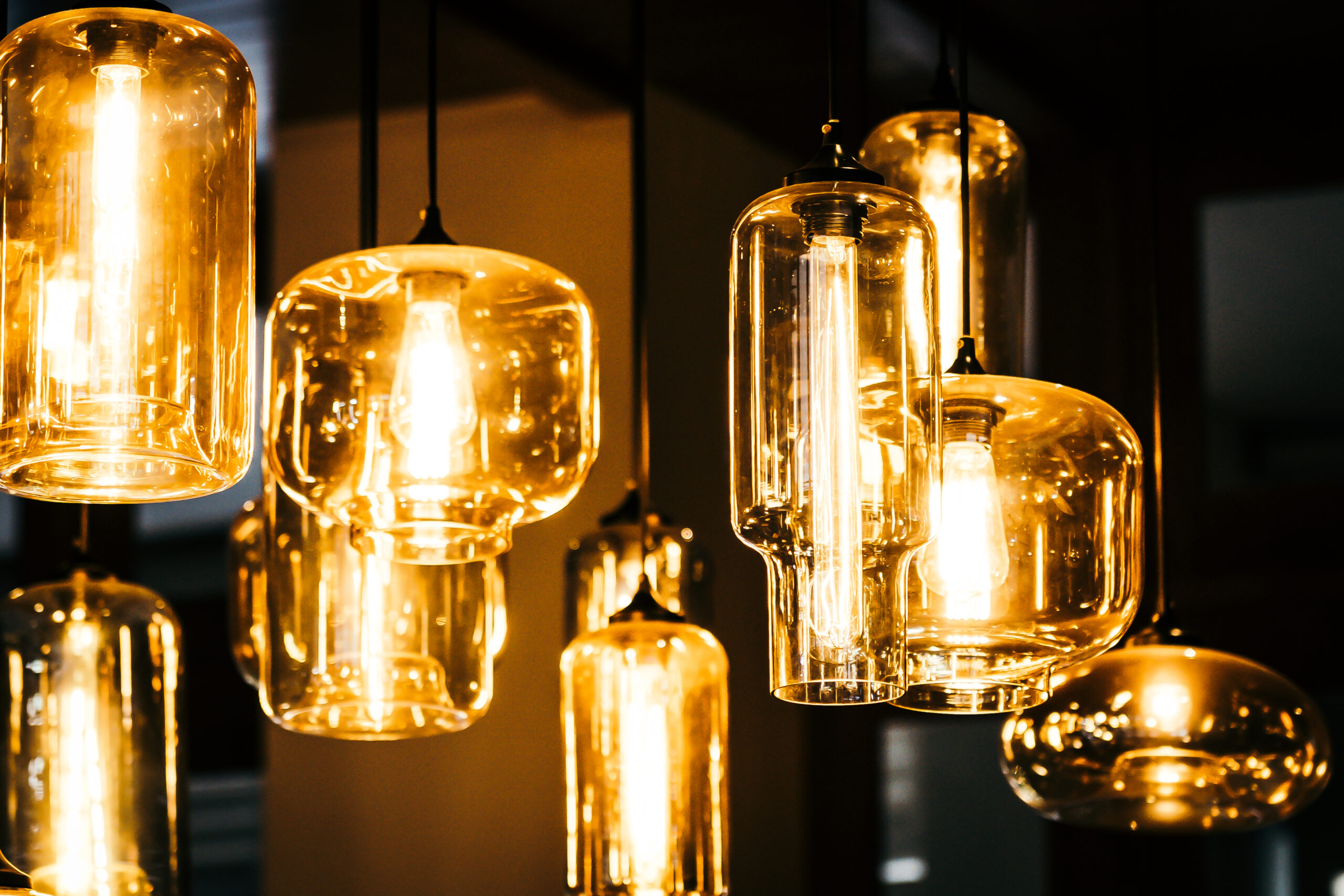
What is lighting engineering, and how does it differ from lighting design?
Two complementary approaches to light: engineering, emotion and considered design.
Interior lighting is often seen as something to assess purely in aesthetic terms. In reality, nothing could be further from the truth, especially in design, because it is an element that directly influences the definition of a space, creating atmosphere and opening up a broader perspective.
So how do we create impactful lighting in interior design, with solutions that are both beautiful and functional?
The second discipline, distinct from lighting engineering, is lighting design, which focuses on the aesthetic effect and emotional character you want to give a particular space.
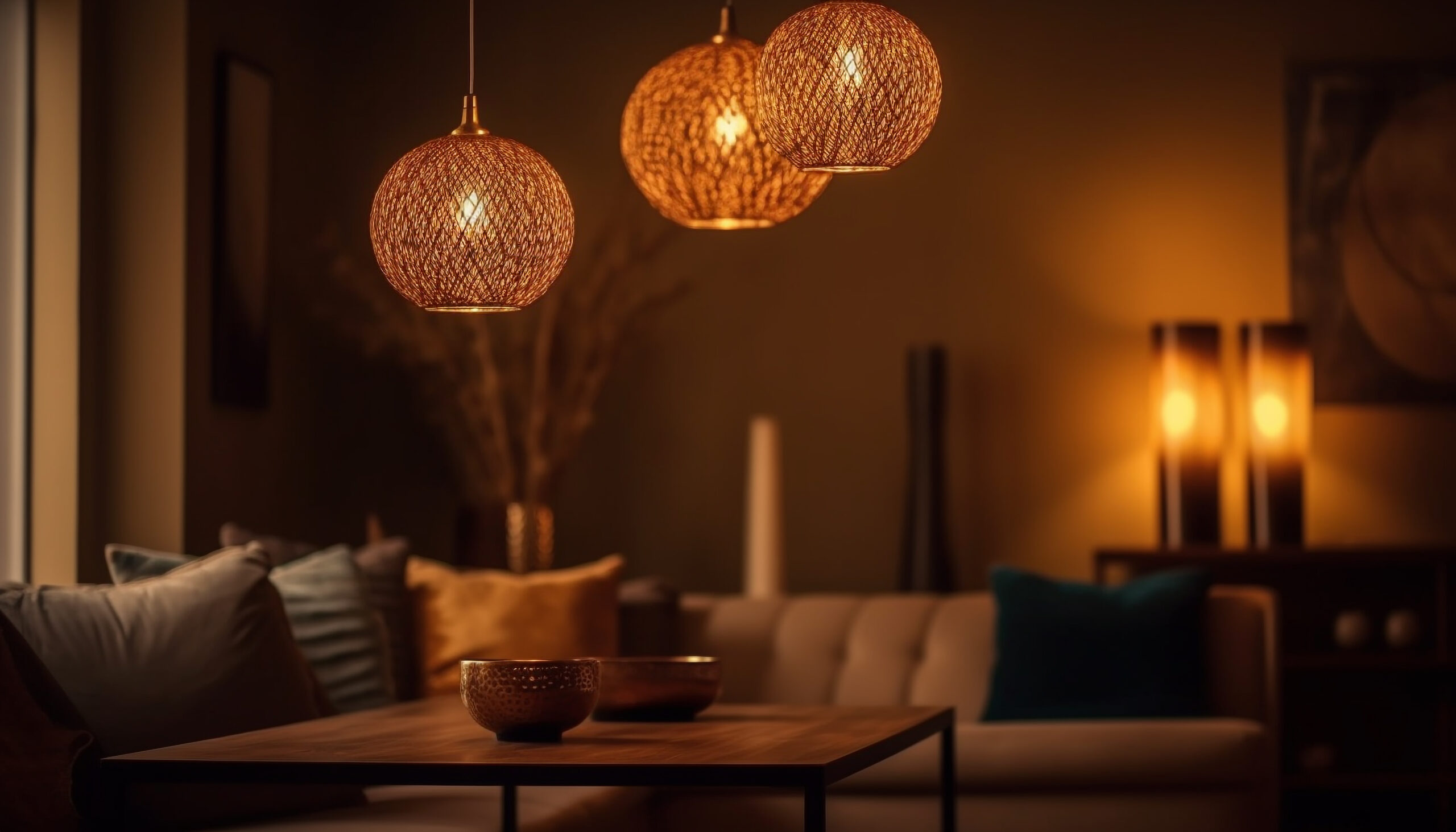
Imagine a restaurant: its effect, presentation and visual appeal change considerably depending on whether warm or cool light is used, where the lights are positioned and how they are employed.
In this article, we take a closer look at the distinction between the two disciplines, with a brief explanation of the professionals involved in each field.
The techniques and technology of light in lighting engineering
Lighting engineering is the specific discipline devoted to the design and management of light to achieve appropriate illumination levels in every setting. In other words, its primary role is functional and quantitative.
It determines how much light an interior needs, also considering natural light from doors and windows and surfaces that require more illumination than others, such as office desks or kitchen worktops.
Its field of study is technical, examining in particular electromagnetic radiation and the quantities that describe light, such as lumens, lux and candelas.
It therefore uses different units of measurement, all essential to quantifying and controlling light distribution. A lighting engineer calculates, for example, lumens, the total amount of light emitted, or lux, the luminous flux per square metre of surface.
Light temperature, measured in degrees Kelvin, is another factor a designer examines to decide which is best in each case, bearing in mind that warmer light tends towards yellow while cooler light shifts towards blue.
The role of lighting design in spatial aesthetics
Lighting design is often confused with lighting engineering, but they are very different fields. Lighting design is specifically a creative process used to enhance the aesthetic appearance of every space.
Unlike lighting engineering, it is a discipline that combines art and science to design illumination that responds to users’ experiences and needs, creating unique, welcoming atmospheres.
Every characteristic of a space is examined carefully to establish the main lighting objectives. Aesthetics are not the only consideration: so are comfort and the overall pleasantness of the setting being designed.
Natural and artificial light must be integrated harmoniously, positioned strategically to emphasise architectural details or design elements and make the space pleasant in every respect.
Smart functionality and energy efficiency are also considered in lighting design, addressing people’s modern expectations regarding environmental responsibility and the use of advanced technologies.
Lighting professionals: who handles lighting engineering and lighting design?
When a lighting project is needed, two key professionals work together to achieve a perfect final result in terms of efficiency and design: the lighting designer and the lighting engineer.
These professionals often collaborate, but their roles and skills are distinct. The lighting designer is specifically the person who works with architects and interior designers to create solutions that enrich a space’s aesthetics, while staying up to date on lighting trends, new technologies and regulations.
The lighting engineer, by contrast, focuses on calculation and careful planning of light distribution to ensure optimal, safe illumination. This professional uses specific tools and software to determine the positioning of light sources and the number of lamps required to achieve the intended objective.