



The chandelier: a journey through history
The evolution of an essential everyday product: from the first need for it to its use in the modern era.
Could there be anything more beautiful for lighting a room than a chandelier? Apparently not, given the long history of this furnishing element, still widely used today and much loved by interior designers.
This source of artificial light originated from a practical need: to see clearly during the evening. Yet from the outset, it also gave rise to skilled craftsmanship and even artistic production.
The history of the chandelier is truly fascinating. In this article, we explore a journey that began long ago and continues to the present day.
The first chandeliers
When were the first chandeliers invented? According to the historical evidence that has reached us, they appear to date from Imperial Rome. The earliest models were bronze and came in unusual forms: a stylised little tree, a column with fixed or movable arms, and so on.
In fact, rudimentary chandeliers were already being made in Tuscany in the fifth century BC, using simple rings with candles supported by arms. A kind of crown, in other words.
What is most interesting is that, from the outset, these were objects capable of combining art and functionality: what we would now call designer pieces.
This characteristic developed further in the Middle Ages, when the decorative function of chandeliers became more prominent and they were installed mainly in centres of power.
As for their lighting systems, from the Christian era onwards, it became possible to distinguish between three main types:
- Oil-lit chandeliers.
- Candle-lit chandeliers.
- Chandeliers combining both functions.
The most commonly used form was the same as in antiquity: a crown, owing to its strong symbolic significance.
The chandelier’s development in the modern era
A specific turning point in the history of the chandelier came between the twelfth and fourteenth centuries with the emergence of Gothic art.
The central shaft became rigid, with two to three tiers skilfully decorated with engravings, mostly featuring floral motifs. The materials used were bronze, iron and brass.
Another significant change occurred during the Renaissance, when the most widespread chandelier design was a single light in the form of a glass bowl suspended from the ceiling by chains attached to a metal ring.
And what about crystal chandeliers? They began to appear in the homes of the Italian nobility in the sixteenth century, using rock crystal, whose light seemed brighter and more brilliant than glass.
This solution was also appreciated in France during the reign of Louis XIV and became even more precious with the discovery of Bohemian crystal, in the early eighteenth century, which replaced rock crystal.
This innovation made crystal chandeliers more widespread, as they were considerably less expensive and easier to produce.
Special mention should be made of an outstanding Italian tradition: Murano glass. Venetian craftspeople have always been renowned for their art, and every year many people travel there to learn it first-hand.
Murano glass chandeliers became widespread from the seventeenth century and remain highly valuable design objects today.
The chandelier today
The nineteenth century saw one of the discoveries that revolutionised humanity: electric light. It also transformed chandeliers, opening new possibilities for their design.
Oil and candles were no longer needed to operate them, bringing a considerable advantage: the freedom to explore the artistic side from a 360° perspective, in keeping with the customer’s style and preferences.
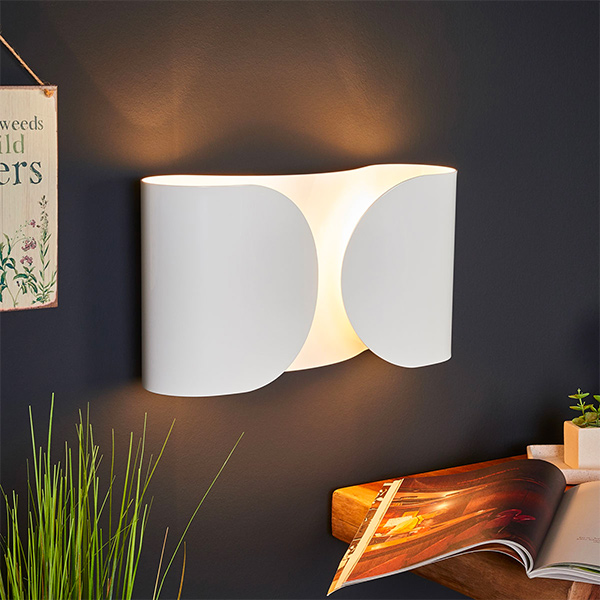
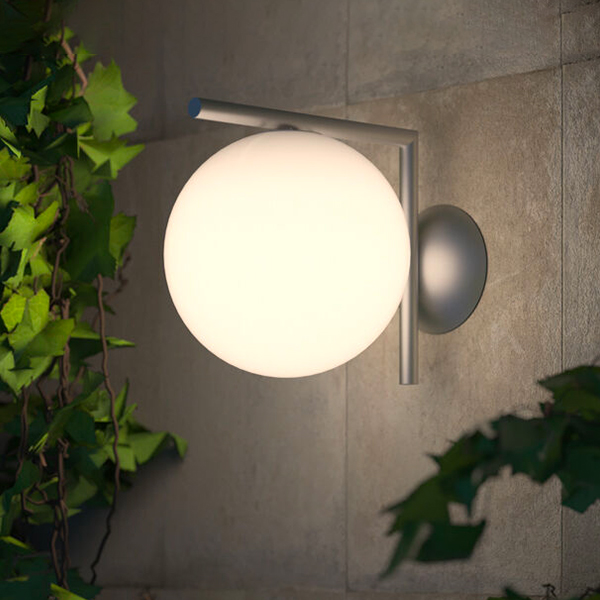
Alongside large models, more everyday fittings appeared, including wall lights. These innovations helped shape interior lighting as we know it today, together with research into the diffusion of light sources.
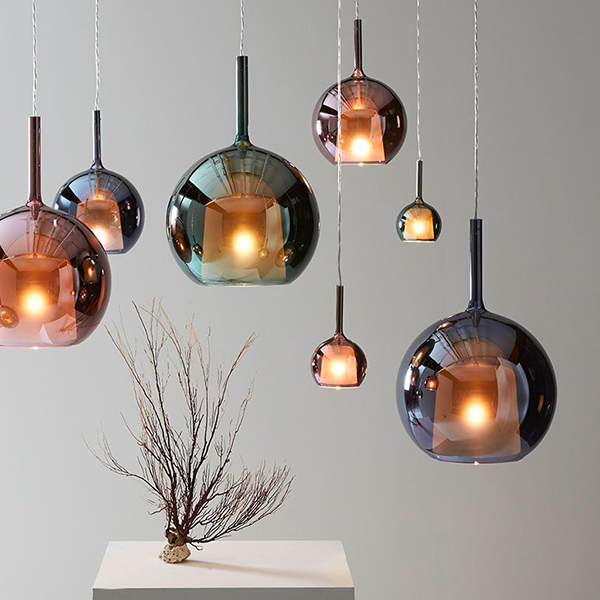
Chandeliers are now available in a wide variety of styles and furnishing concepts. These solutions combine beauty and functionality, with production increasingly focused on sustainability. The history of the chandelier continues, driven by design.
Would you like expert advice on choosing the perfect chandelier for your home? Contact us on 02.97070285 or email us at info@montenero53.com.